Compare Local Contractors for Soot Restoration Services
Compare local contractors for soot restoration to define scope, verify experience, and set clear expectations, ensuring a trusted and effective cleanup process.
Soot restoration services typically involve cleaning and removing soot residue caused by fires, smoke, or other combustion-related incidents. This process can include surface cleaning, deep cleaning of affected materials, and sometimes the application of specialized treatments to prevent future damage or odors. Proper soot removal is essential to restore the appearance and integrity of a property, and it often requires careful assessment to determine the extent of contamination and the appropriate cleaning methods. Engaging experienced contractors ensures that the work is performed effectively, minimizing the risk of lingering odors or unseen damage that could compromise the property's condition.
Defining the scope of soot restoration work is a critical step in the process. Clear communication about what needs to be cleaned, repaired, or replaced helps set realistic expectations and prevents misunderstandings. Property owners should work with contractors to identify all affected areas and materials, and to specify what services are included-such as surface cleaning, structural repairs, or odor mitigation. Documenting these details in writing creates a reference point for the project, helping to ensure that both parties are aligned and that the work performed meets the specific needs of the property.
When comparing local contractors for soot restoration, it is important to evaluate their experience and expertise in handling similar projects. Property owners can review credentials, ask about previous work, and seek references to gauge a contractor’s track record. Additionally, understanding how each contractor approaches defining the scope of work and communicates project details can provide insight into their professionalism and reliability. Gathering information about their methods, verifying their familiarity with the type of soot contamination involved, and confirming their ability to deliver comprehensive services can help property owners make informed decisions and select service providers best suited to their specific restoration needs.
Compare local contractors' experience, define project scope clearly, and set expectations in writing to ensure a successful soot restoration.
- Compare Contractor Experience - Review the backgrounds of local contractors to ensure they have relevant soot restoration experience.
- Define Scope Clearly - Establish a detailed scope of work in writing to set clear expectations for the project.
- Verify Credentials - Confirm the credentials and references of service providers to assess their reliability.
- Request Written Agreements - Obtain all project details, including scope and responsibilities, in a formal written agreement.
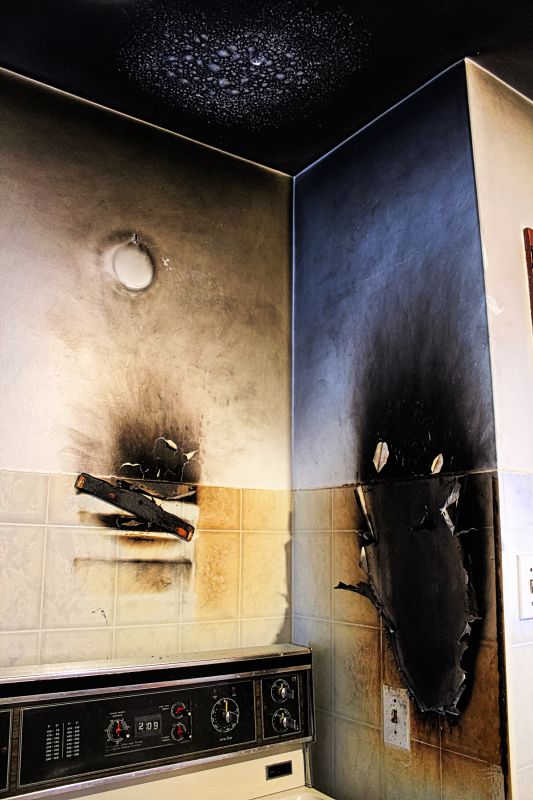
Before comparing local contractors for soot restoration, clearly describe your project scope to ensure accurate assessments.
- Verify the experience of local contractors with soot restoration projects to ensure proper expertise. - Look for service providers who clearly define the scope of work in writing to set proper expectations.
- Compare the credentials and reputation of different local contractors through reviews and references. - Ensure the contractors have a history of successful soot removal and restoration work.
- Assess the methods and cleaning techniques used by service providers to confirm they follow industry best practices. - Confirm that the approach is suitable for the specific type and extent of soot damage.
- Check that the scope of work includes necessary surface cleaning, damage assessment, and potential repairs. - Make sure all necessary services are outlined to avoid overlooked tasks.
- Ensure the service providers provide a detailed written estimate outlining the work to be performed. - A comprehensive scope in writing helps compare services effectively and avoid misunderstandings.
Compare local contractors' experience and clarify project scope to ensure effective soot restoration.
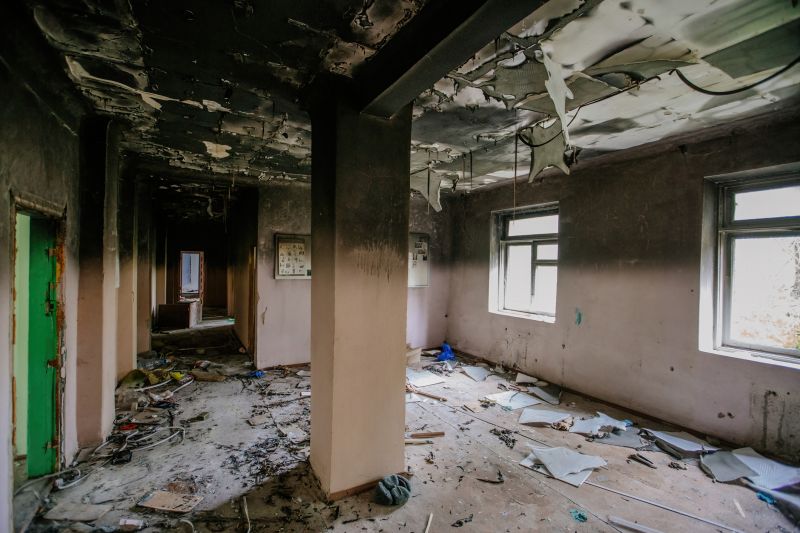
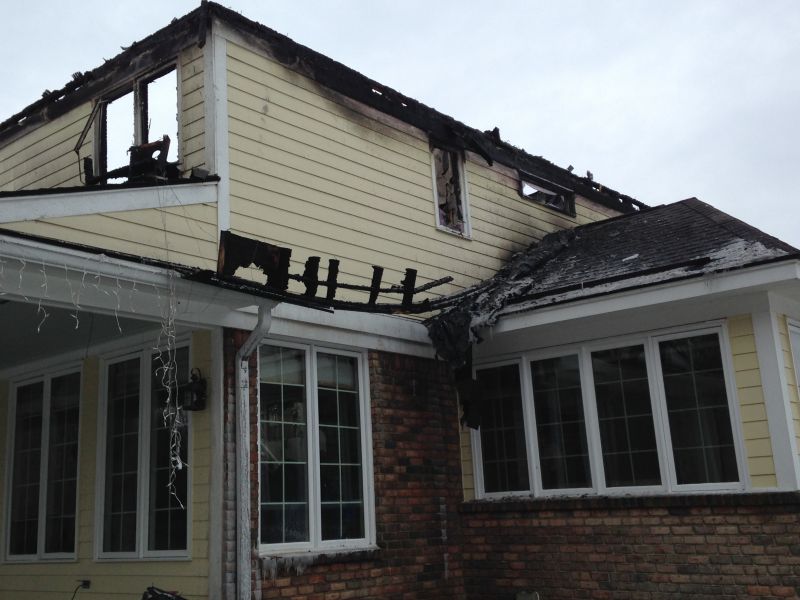
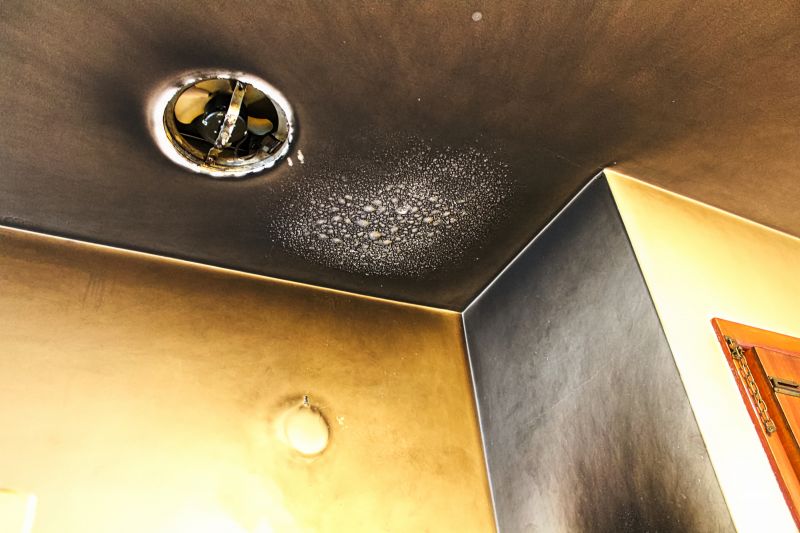
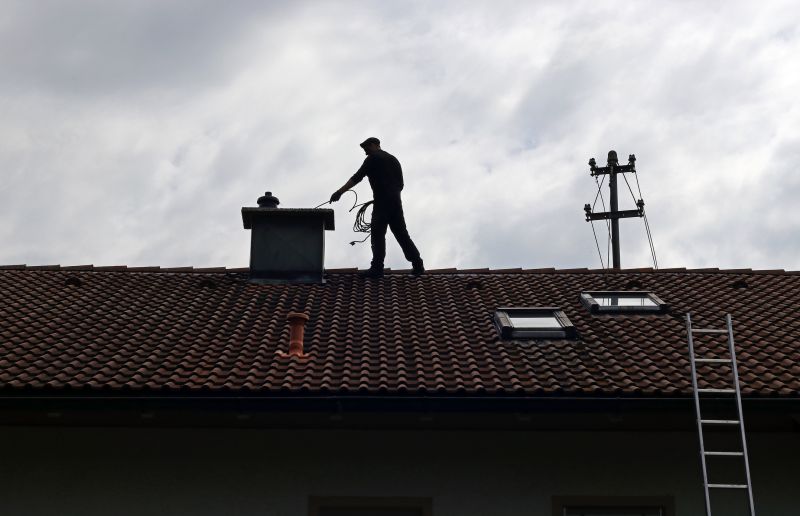
This scope builder helps compare local contractors for soot restoration by defining work details, verifying experience, and setting clear expectations.
- Service Scope - Clearly define the specific soot restoration tasks required for the property.
- Experience and Expertise - Verify that local contractors have relevant experience handling soot damage restoration.
- Materials and Methods - Confirm the types of cleaning agents and techniques that will be used during the restoration.
- Work Expectations - Establish written descriptions of the work to be performed, including the extent of cleaning and restoration.
- Insurance and Liability - Ensure service providers have appropriate insurance coverage to protect against potential damages or issues.
When comparing contractors for soot restoration services, it is important to evaluate their experience with similar projects. Homeowners should inquire about the types of soot cleanup jobs they have completed and whether they have handled properties comparable in size, scope, or complexity. Contractors with a proven track record in soot restoration are more likely to understand the specific challenges involved and deliver effective results. Gathering information about past projects can provide insight into their familiarity with the process and their ability to manage the unique aspects of soot removal in different settings.
A clear, written scope of work is essential for setting expectations and ensuring all parties understand the extent of the project. Homeowners should seek contractors who can provide detailed descriptions of the services included, such as surface cleaning, material removal, and any necessary repairs. A well-defined scope helps prevent misunderstandings and ensures that both the homeowner and the service provider are aligned on what will be accomplished. It also serves as a reference point throughout the project, making it easier to verify that the work meets agreed-upon standards.
Verifying a contractor’s basics involves confirming their approach to the job and their ability to deliver consistent results. Homeowners should ask how the contractor plans to assess the soot damage, what cleaning methods they typically use, and how they ensure thoroughness. It’s also helpful to understand their process for handling unexpected issues or complications that may arise during the project. This verification process helps homeowners gauge the professionalism and reliability of potential service providers, ensuring that the chosen contractor has the necessary experience and procedures in place to handle soot restoration effectively.
Evaluating options without discussing prices involves focusing on the quality of service, expertise, and communication. Homeowners can compare contractors by reviewing their experience with similar projects, examining the clarity of their scope of work, and assessing how well they communicate their approach. Asking detailed questions about their methods and requesting written documentation can reveal their professionalism and attention to detail. By concentrating on these factors, homeowners can make informed decisions based on the value and reliability of the service providers, rather than just cost considerations.
Ask contractors to provide written scope details to ensure clear expectations and consistent project understanding.
- Experience and Credentials - What experience do local contractors have specifically with soot restoration projects?
- Scope of Work - How do contractors define and outline the scope of soot restoration services in their proposals?
- Comparison of Services - What differences exist in the scope and approach among various service providers?
- Work Process and Methods - What methods and procedures do local contractors plan to use for soot removal and restoration?
- Written Agreements - How will the scope and expectations be documented in a written contract or agreement?
How can I compare contractors for soot restoration? To compare contractors, review their experience, verify references, and ensure they clearly define the scope of work in writing.
What should I look for when choosing a soot restoration service provider? Focus on contractors with proven experience, transparent communication, and detailed project descriptions to ensure they meet specific restoration needs.
How do I verify a contractor’s experience with soot removal? Request information about their previous projects, ask for references, and confirm their familiarity with the specific techniques required for soot restoration.
What is important to include in a scope of work for soot restoration? The scope should outline the extent of cleaning, areas to be treated, methods to be used, and any necessary preparation or post-cleaning steps.
Why should I get agreements in writing with a contractor? Written agreements help set clear expectations, define the work to be performed, and provide a record of the agreed-upon scope and responsibilities.
How can I ensure a contractor is suitable for my soot restoration project? Evaluate their experience, review their scope of work, and verify that they can provide detailed, written plans tailored to the specific restoration requirements.
Understanding the key aspects of soot restoration services can help in making informed choices. Visitors learned how to clearly define the scope of work, verify the experience of service providers, and set expectations in writing to ensure a smooth process. Comparing local contractors through these steps can assist in finding options that meet specific needs and preferences.
Using the quote form allows for easy comparison of different service providers in the area. It offers a straightforward way to gather information and connect with local contractors who can handle soot restoration projects. Taking this step can help in exploring available options and making well-informed decisions.